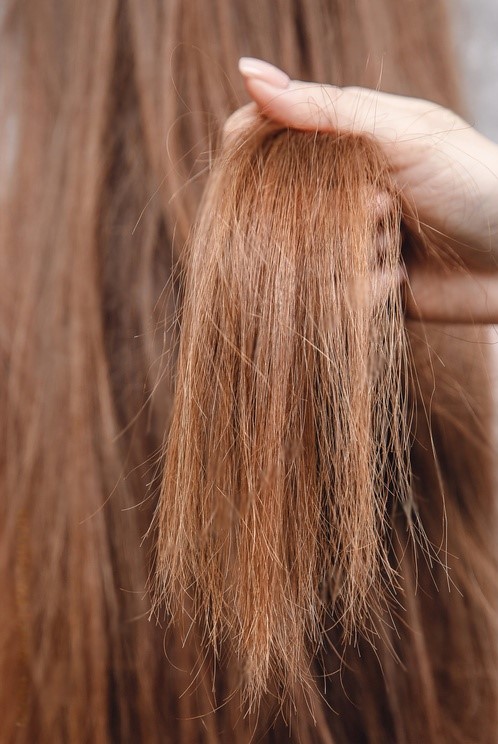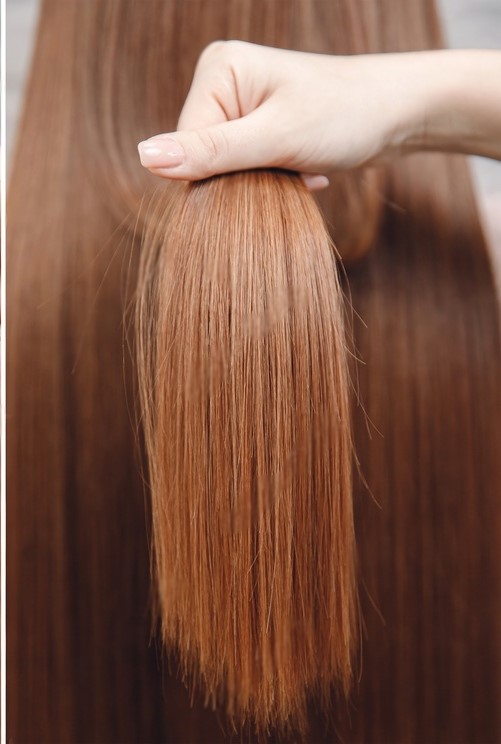
Hair is often considered one of the most defining features of a person's appearance. Whether long, short, curly, or straight, healthy and well-maintained hair can boost confidence and enhance one's overall attractiveness. However, due to various factors such as genetics, lifestyle, and environmental elements, many individuals experience hair problems like hair loss, dryness, dandruff, and breakage. Thankfully, there are numerous hair treatments available today that cater to these issues, revitalizing hair and promoting overall scalp health One of the most common hair problems people face is hair loss, often caused by factors like stress, hormonal imbalances, and genetics. Hair loss treatments range from topical solutions like minoxidil to oral medications that promote hair growth. Additionally,advancements in technology have led to the development of procedures like hair transplantation, where healthy hair follicles are transferred to balding areas, offering a permanent solution to hair loss.
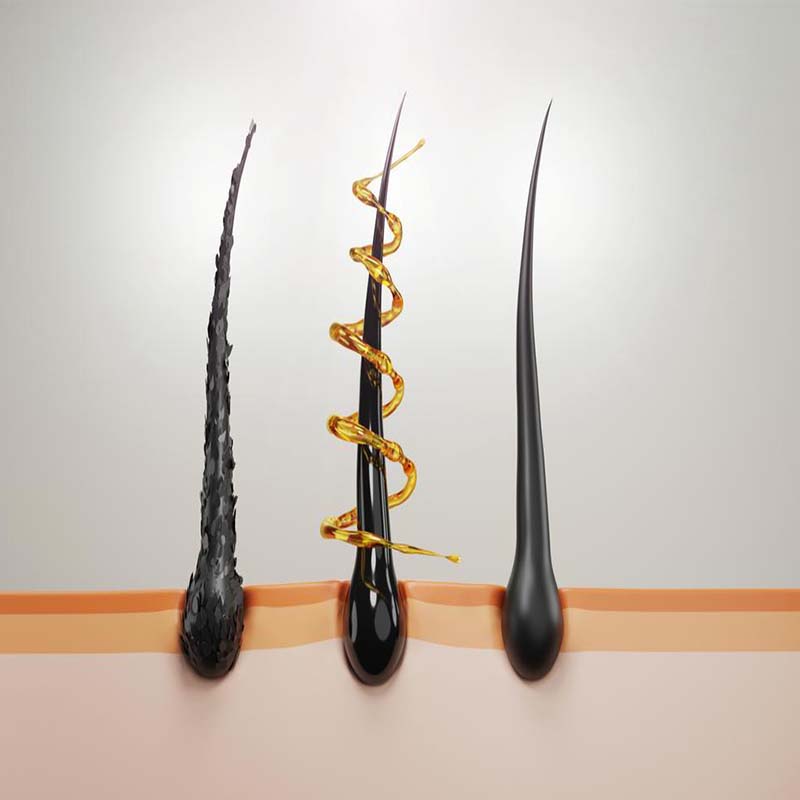
Hair loss, a condition that affects millions of people worldwide, can be a distressing experience leading to diminished self-confidence and self-esteem. Numerous factors contribute to hair loss, with genetics often playing a significant role. Androgenetic alopecia, commonly known as male-pattern baldness or female-pattern baldness, is the most prevalent genetic cause, causing hair follicles to shrink and eventually stop producing new hairs. Hormonal imbalances, such as those related to thyroid disorders or polycystic ovary syndrome, can also trigger hair loss. Additionally, medical conditions like autoimmune diseases, lupus, diabetes, and fungal infections of the scalp can lead to substantial hair shedding. Poor nutrition, especially deficiencies in iron, zinc, and biotin, can weaken hair strands, making them prone to falling out. Stress, both emotional and physical, can disrupt the hair growth cycle, causing temporary hair loss in a condition known as telogen effluvium.
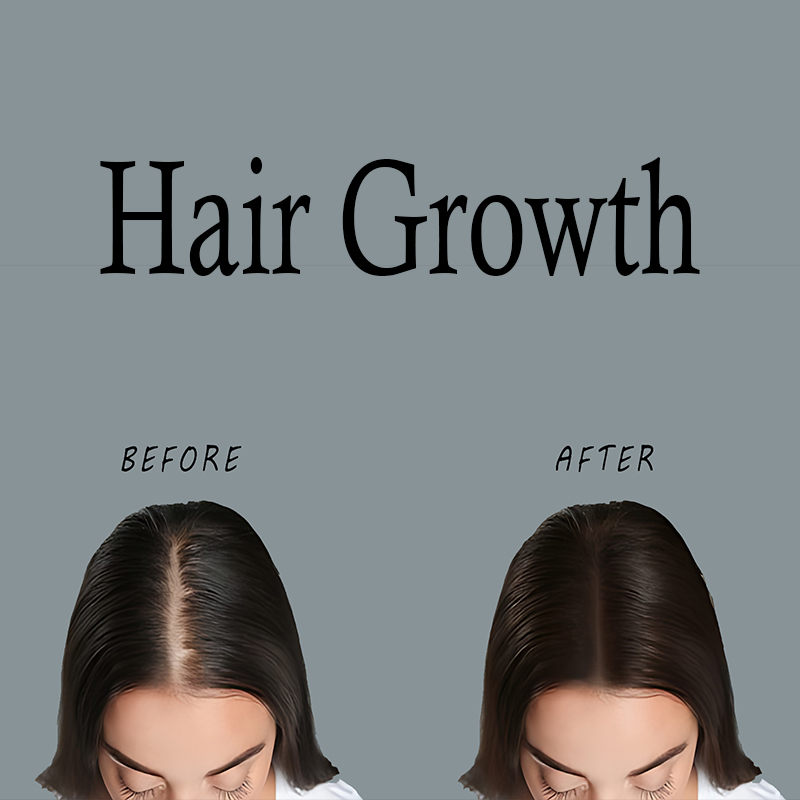
Hair growth is a topic of significant importance and concern for many women around the world. A luscious mane not only enhances a woman's physical appearance but also contributes significantly to her confidence and self-esteem. Understanding the complexities of hair growth in women involves exploring various factors, from genetics and hormones to lifestyle choices and overall health. Genetics play a fundamental role in determining a woman's hair type, thickness, and growth patterns. If a woman's parents or grandparents experienced healthy hair growth, it is likely that she will too. However, genetic predisposition doesn't entirely dictate hair health. Women, like men, can experience hair loss due to genetic factors, a condition known as female-pattern hair loss or androgenetic alopecia. In this condition, hair gradually thins, primarily on the top and crown of the scalp.
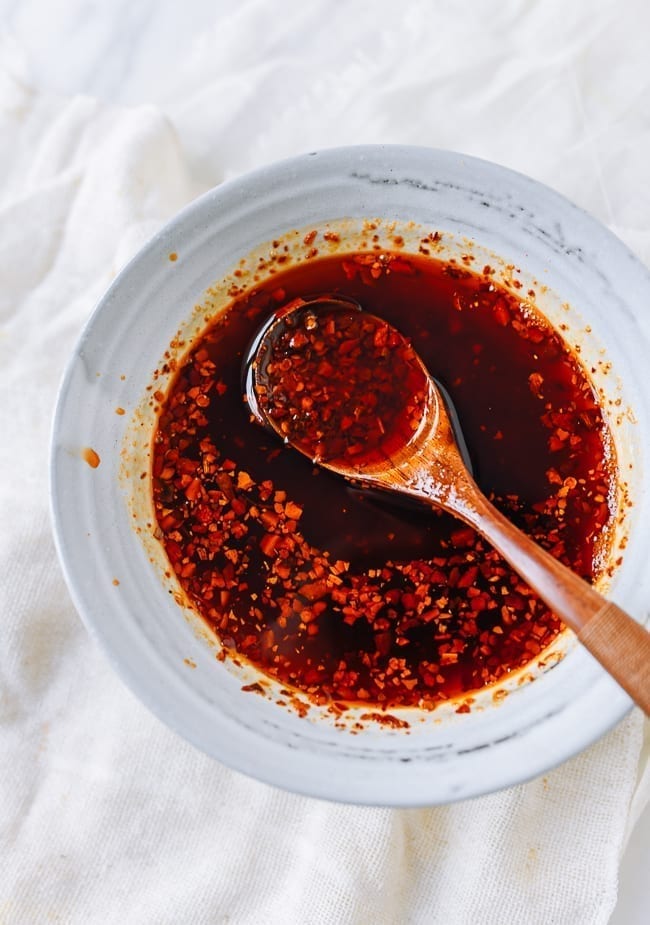
A hot oil treatment is a luxurious and effective way to restore vitality and shine to your hair. This deep conditioning technique involves using warm, natural oils to nourish the scalp, strengthen hair, and add a healthy sheen. To begin a hot oil treatment, choose an oil suitable for your hair type; popular choices include coconut oil for its deep moisturizing properties, olive oil for its rich antioxidants, and argan oil for its vitamin E content. Start by gently heating the oil in a heat-resistant container placed in hot water or using a microwave until it's comfortably warm, not hot. Part your hair into sections and apply the warm oil generously, starting from the scalp and working your way down to the tips. Massage your scalp gently for a few minutes to stimulate blood circulation, promoting better absorption of nutrients.
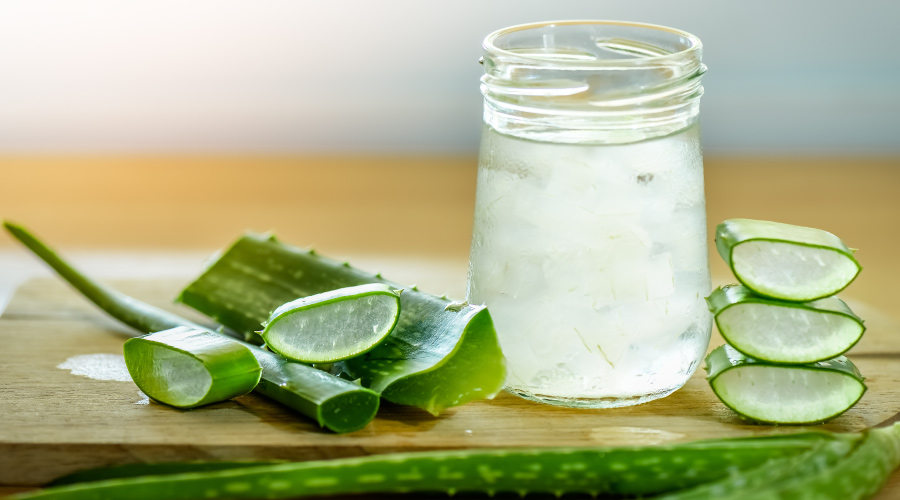
An Aloe Vera treatment is a natural and versatile remedy that can work wonders for your hair and scalp. Aloe Vera, a succulent plant renowned for its healing properties, contains a gel-like substance rich in vitamins, minerals, and enzymes, making it a potent ingredient for hair care. To embark on an Aloe Vera treatment, start by extracting fresh Aloe Vera gel from the plant's leaves. Simply slice open a leaf, scoop out the gel, and blend it into a smooth consistency Once you have your Aloe Vera gel ready, apply it directly to your scalp and hair. Aloe Vera has moisturizing properties that hydrate the scalp, reducing dryness and itchiness. It also contains proteolytic enzymes that repair dead skin cells on the scalp, promoting a healthy environment for hair growth. The gel's natural enzymes nourish and condition the hair, making it smoother, shinier, and more manageable.